

Finance
Key Takeaways
The intensifying conflict surrounding Iran is already reverberating across the Gulf Cooperation Council (GCC) economies. Declining oil revenues and heightened geopolitical uncertainty are creating liquidity pressures for regional banks. For globally mobile HNWIs, the implications are subtle yet material: exposure to Gulf assets, currency volatility, and cross-border transactions could influence the operational efficiency and preservation of wealth held in Swiss accounts.
Gulf economies remain highly sensitive to oil price fluctuations. Even modest disruptions in supply or export capabilities can sharply reduce state revenues, affecting banking liquidity and lending capacity. For HNWIs, this can translate into indirect exposure through private equity holdings, syndicated loans, or regional investment vehicles. Leading Swiss banks offer scenario analyses and stress-testing frameworks that help clients adjust their positions discreetly while safeguarding capital.
Zurich and Geneva private banks leverage real-time geopolitical and commodity intelligence to guide clients with precision. Integrating sovereign credit insights, energy market movements, and regional banking stability enables actionable foresight. Clients can recalibrate asset allocation, maintain liquidity buffers, and manage cross-border holdings efficiently without compromising discretion.
Wealth structures spanning multiple jurisdictions are particularly exposed during regional shocks. Banks advising on cross-border allocations optimize structures to reduce exposure to Gulf financial institutions and currencies under stress. This includes evaluating settlement corridors, hedging currency risk, and aligning legacy accounts and discretionary holdings within robust private banking frameworks. The goal is to preserve capital and operational flexibility while maintaining confidentiality.
Clients should review exposure to Gulf-linked assets and banking relationships, ensuring diversified liquidity sources beyond oil-dependent economies. Engaging private banks capable of integrating geopolitical insights into portfolio decisions is critical. Additionally, stress-testing cross-border settlements and credit lines ensures uninterrupted access and operational efficiency during periods of market volatility.
For a confidential discussion regarding the strategic positioning of your cross-border banking structure amid energy market disruptions and Gulf sovereign risk, contact our senior advisory team.
 Previous Post
 SKN | Wells Fargo Commits $6 Million to Boost Housing and Economic Growth in West Charlotte
Next Post SKN | Singapore Banks Remain Cautious Despite Iran War Ceasefire

September 8, 2026
September 8, 2026

September 8, 2026

September 8, 2026
SKN | Charles Schwab Expands Crypto Access as Shares Trade Below Estimated Fair Value
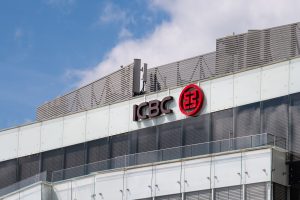
SKN | Why Does the World’s Largest Bank Still Need State Capital? What ICBC’s Recapitalization Signals for HNW Families
SKN | CaixaBank’s Neobank Strategy: Why Digital Convenience Is Becoming Part of Institutional Banking
 Optimized by Seraphinite Accelerator


