Business
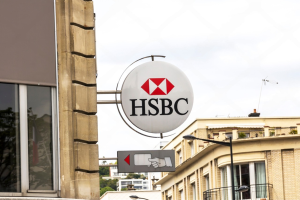
HSBC is preparing to leave one of London’s most recognizable financial landmarks, as plans move forward to transform its Canary Wharf headquarters at 8 Canada Square. The redevelopment marks a significant transition for a building that has represented HSBC’s global presence for more than two decades.
HSBC moved into the 45-storey tower 25 years ago, establishing the building as a symbol of the bank’s international scale and its connection to London’s financial district. However, the planned departure in 2027 reflects a broader reassessment among global banks regarding office requirements, workplace models and real estate efficiency.
The shift is not simply about reducing physical space. Major financial institutions are increasingly evaluating how their corporate environments support changing employee expectations, technology adoption and operational flexibility. HSBC’s decision illustrates how even global banking institutions are adapting their property strategies.
Canary Wharf Group and Qatar Investment Authority have submitted plans to reshape the upper floors of the building following HSBC’s exit. The proposal includes landscaped terraces, a publicly accessible rooftop viewing platform and a glass structure known as “The Cloud.”
The redesigned property will move beyond a traditional corporate headquarters model, incorporating offices, retail spaces, restaurants and a 181-room hotel. This approach reflects a wider trend in major global cities where single-purpose office towers are being repositioned as mixed-use destinations.
For institutional investors and global wealth holders, the project highlights the evolving value proposition of premium commercial real estate. Buildings with diversified usage, public accessibility and adaptable layouts may become increasingly important as demand patterns change.
HSBC’s departure from 8 Canada Square should be viewed within the broader context of banking transformation. The world’s largest financial institutions continue to optimize costs, improve operational efficiency and reconsider how much space is required in major financial centres.
For HSBC, the move represents a change in physical presence rather than a withdrawal from London. The bank continues to maintain significant operations in the city, but its headquarters transition demonstrates a more flexible approach to corporate infrastructure.
The redevelopment also demonstrates how iconic financial properties can evolve beyond their original purpose. Once associated primarily with banking headquarters, these assets are increasingly being repositioned to attract multiple types of users, from corporations to hospitality operators and the broader public.
The transformation of HSBC’s former headquarters reflects a larger shift in global finance: institutions are becoming more selective about physical assets while prioritizing adaptability and long-term value creation.
As global banks continue refining their operational models, investors and wealth holders should monitor how major financial institutions approach real estate, workplace strategy and capital allocation decisions.
For a confidential discussion regarding global banking trends, institutional real estate exposure and strategic wealth positioning across international markets, contact our senior advisory team.
 Previous Post
 SKN | JPMorgan Ends Banking Relationship With Polymarket Amid Regulatory Concerns
Next Post SKN | Barclays Faces Internal Resistance as It Expands Office Attendance Requirements
September 3, 2026
September 2, 2026
August 24, 2026
August 24, 2026
 Optimized by Seraphinite Accelerator