Finance
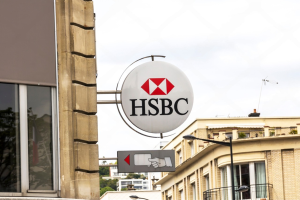
Leadership transitions at the highest levels of risk management rarely occur in isolation. The appointment of a new chief risk officer at a major European bank reflects a broader industry recalibration toward resilience, regulatory alignment, and disciplined balance sheet management. For high-net-worth individuals, such developments offer insight into how institutions are preparing for the next phase of global financial uncertainty.
The role of a chief risk officer has evolved significantly in recent years. It now extends beyond compliance oversight into strategic influence, shaping lending standards, capital allocation, and exposure to volatile sectors. A leadership change in this function often indicates a shift in institutional priorities, particularly in response to evolving regulatory expectations and macroeconomic pressures.
For private clients, this is a reminder that counterparty risk is not static. Banks with strengthening risk frameworks are better positioned to navigate periods of stress, while those undergoing transition may face short-term execution challenges as new policies and controls are implemented.
The movement of senior executives between major European banks highlights the interconnected nature of the financial system. Expertise in risk management is increasingly portable, with institutions seeking leadership capable of managing complex, multi-jurisdictional exposures.
For globally diversified portfolios, this reinforces the importance of evaluating not just the strength of individual banks, but the consistency of their risk culture across regions. Swiss private banks, particularly in Zurich and Geneva, continue to emphasize continuity in leadership and conservative governance structures, offering a degree of predictability that is highly valued in uncertain environments.
In an environment defined by geopolitical volatility, inflationary pressures, and shifting regulatory landscapes, robust risk governance is central to capital preservation. This extends to credit quality, liquidity management, and operational resilience.
HNWI clients should incorporate institutional risk assessments into their broader wealth strategy. This includes reviewing the capital strength of banking partners, their exposure to high-risk sectors, and the effectiveness of their internal controls. A well-structured banking network should prioritize institutions with demonstrable discipline in these areas.
Swiss private banks are responding to global shifts by reinforcing their core strengths: stability, discretion, and long-term orientation. Rather than reacting to short-term market dynamics, these institutions focus on maintaining strong capital buffers, prudent lending practices, and rigorous due diligence.
This approach aligns closely with the priorities of high-net-worth individuals seeking to preserve wealth across generations. By anchoring assets within a stable jurisdiction and partnering with institutions that prioritize risk discipline, clients can mitigate exposure to external shocks while maintaining access to global opportunities.
For sophisticated investors, the key takeaway is clear. Institutional strength is not defined solely by size or profitability, but by the quality of its risk management and the consistency of its governance. Leadership changes provide a window into these dynamics, offering valuable signals for informed decision-making.
For a confidential discussion regarding your cross-border banking structure and how to align your assets with institutions demonstrating strong risk governance and long-term stability, contact our senior advisory team.
 Previous Post
 SKN | Goldman Sachs FICC Miss Raises Questions as Rivals Deliver Strong Trading Results
Next Post SKN | Europe’s Banking Fragmentation Comes Under Pressure: What Greater ECB Integration Signals for Cross-Border Wealth

September 8, 2026

September 8, 2026

September 8, 2026

September 8, 2026
 Optimized by Seraphinite Accelerator