
Finance
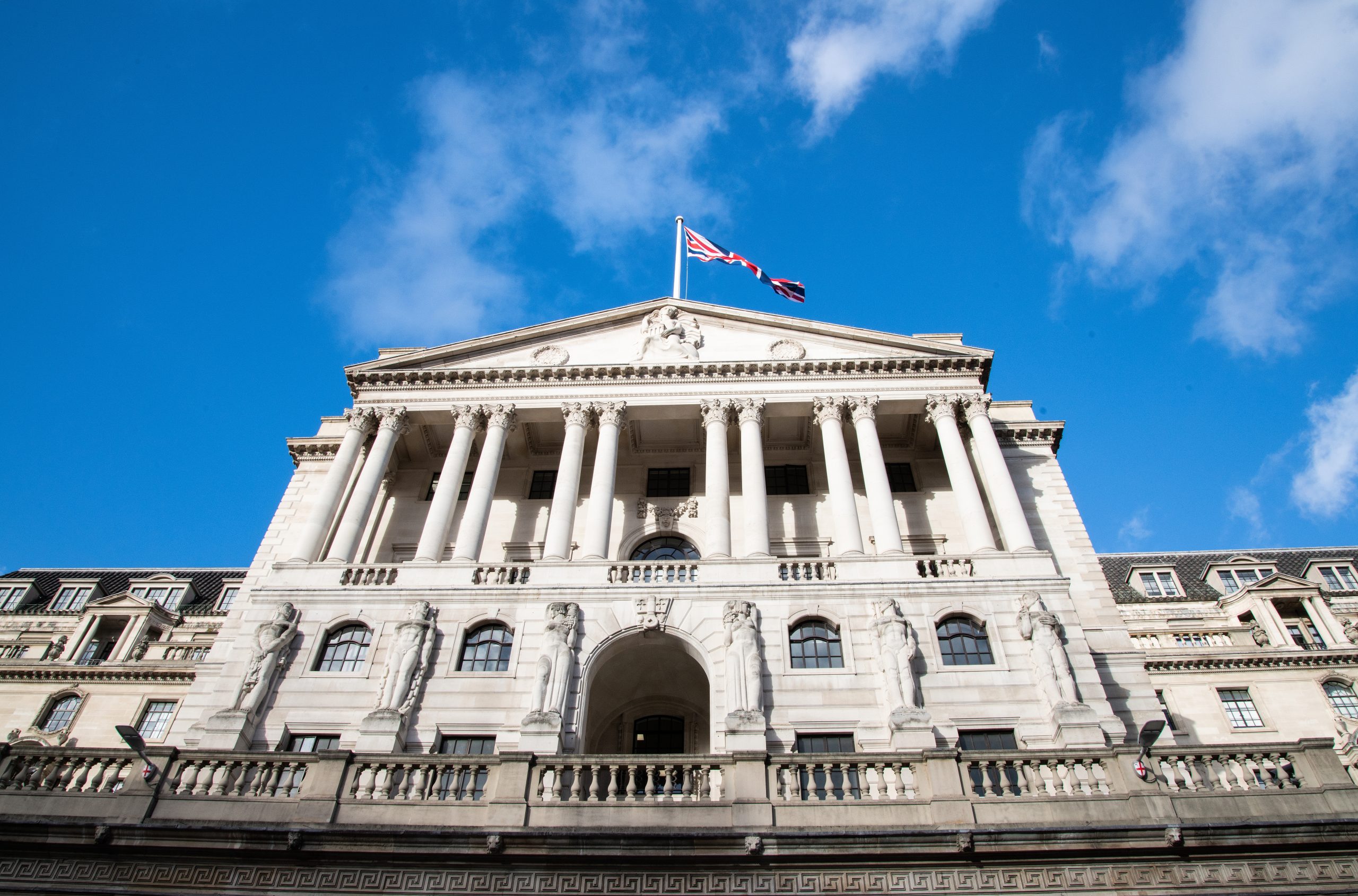
Artificial intelligence is moving into financial services faster than regulators can always define rules for every application. The UK’s decision to avoid immediately imposing a separate, comprehensive AI rulebook on banks reflects a balancing act: preserve room for innovation while using existing supervisory frameworks to address the risks. For internationally mobile wealth holders, the significance lies less in the pace of legislation than in how banks govern AI systems that may influence financial decisions, protect accounts and handle sensitive personal information.
The UK Financial Conduct Authority (FCA) has explicitly said it does not plan to introduce additional AI-specific regulation, preferring a principles-based approach that gives firms flexibility while holding them to existing standards. Its July 2026 Mills Review examined how AI could reshape retail financial services, including competition, customer journeys and fraud risks. On 19 October, the FCA also published examples of good and poor practice in firms’ use of AI, reinforcing that existing requirements continue to apply.
The distinction is important. Regulatory restraint does not mean banks are free to deploy AI without accountability. Requirements covering governance, operational resilience, fair customer treatment, data protection and senior management responsibility remain relevant. The challenge is whether those frameworks can keep pace with systems that learn, adapt or act with increasing autonomy.
For clients, the practical concern is not whether a bank uses AI, but whether it can explain how material decisions are made, identify errors and provide an effective route to human review.
For families with wealth held in both Switzerland and the UK, AI governance should become part of routine counterparty due diligence. Ask whether AI supports fraud detection, transaction monitoring, credit assessment, client onboarding or investment-related services. Establish how sensitive information is handled, whether external technology providers process client data and who remains accountable when an automated system makes an error.
Cybersecurity deserves particular attention. AI can strengthen fraud detection, but it can also help criminals produce convincing impersonations and more sophisticated attacks. A bank’s resilience depends on the quality of its security controls, incident response and recovery arrangements—not simply on the sophistication of its technology.
Private banks in Zurich and Geneva should be assessed on the same basis. Their value lies not in avoiding technological change, but in combining secure systems with clear accountability, discretion and continuity of service.
The UK’s approach leaves room for financial institutions to innovate, but it also places greater importance on how effectively they apply existing controls. For HNWIs, the sensible response is to review data permissions, authentication procedures, fraud escalation processes and the availability of human oversight across banking relationships.
AI may eventually make financial administration more efficient. That benefit is meaningful only when it preserves control over assets, protects confidential information and leaves responsibility clearly assigned.
For a confidential discussion regarding your Swiss banking relationships, cross-border risk management and long-term wealth-preservation strategy, contact our senior advisory team.
 Previous Post
SKN | Morgan Stanley’s 5.1% UK Savings Push: How AI Could Reshape the Global Battle for Deposits
 Next Post
SKN | HSBC Holdings’ Strategic Reset: What Global Wealth Clients Should Know About Their Banking Relationships
October 20, 2026

October 20, 2026
October 20, 2026
October 20, 2026
SKN | PNC Financial Services: What Its US Banking Strategy Means for International Wealth Holders
SKN | Citigroup’s Global Banking Strategy: What HNWIs Should Assess About Their International Wealth Structure
SKN | HSBC Holdings’ Strategic Reset: What Global Wealth Clients Should Know About Their Banking Relationships
 Optimized by Seraphinite Accelerator



