

Business
Stablecoins and digital currencies are increasingly influencing global banking. Understanding their role helps investors and the public grasp how these innovations could reshape the financial ecosystem.
Stablecoins are cryptocurrencies pegged to real-world assets like fiat currencies. Unlike volatile cryptocurrencies, they aim to maintain stable value, making them useful for payments, remittances, and preserving value digitally.
Consumers benefit from faster cross-border payments and lower fees. Businesses, especially those involved in international trade, can settle transactions quickly without traditional currency fluctuations. This reduces friction in global commerce.
U.S. banks are concerned that crypto platforms offering interest on stablecoins could pull deposits away from traditional accounts, potentially up to $6.6 trillion in flows—threatening credit supply and pushing interest rates higher. This regulatory tension underlines the competitive pressure banks face.
Regulators are debating how to integrate stablecoins safely. Rather than substitute banking, stablecoins may serve as a catalyst for modernization—pushing banks to adopt blockchain infrastructure and improve cross-border payments.
Closing Insight
The rise of stablecoins signals both opportunity and challenge.
Economic Insight: They may ease global liquidity flows but pressure monetary stability.
Professional Tip: Banks should invest in interoperable payment systems and regulatory transparency.
Broader Perspective: Expect a future where stablecoins complement, not replace, traditional banking.
 Previous Post
 Pictet Reports Slight Rise in Profit
 Next Post
 Digital Banking Trends in 2025: AI, Personalization, and Customer Experience
April 28, 2026

April 28, 2026

April 28, 2026

April 28, 2026
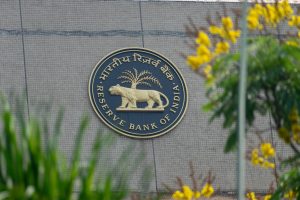
SKN | Rupee Liquidity Tightening in India: What Central Bank Intervention Signals for Cross-Border Capital Positioning
SKN | Escalating Institutional Losses in European Clearing Banks: Implications for Custody, Liquidity, and Capital Security
SKN | Political Risk and Banking Tensions in Europe: What It Means for Cross-Border Wealth Stability
 Optimized by Seraphinite Accelerator


